
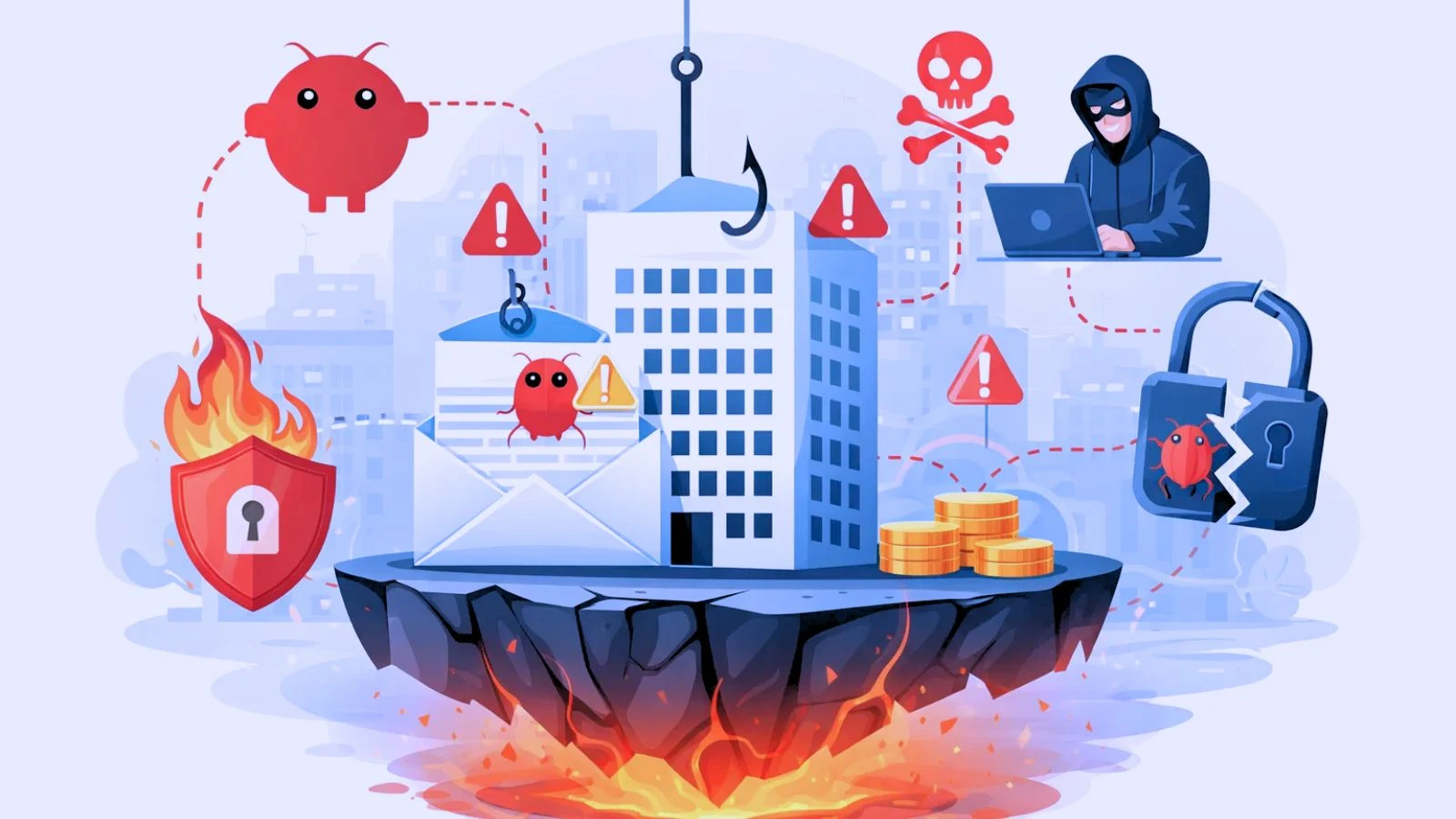
When a powerful autonomous AI agent like OpenClaw introduces measurable security exposure inside the enterprise environment, the instinctive reaction is often to block it outright.
At first glance, that feels responsible. Eliminate the tool, eliminate the risk.
In reality, avoidance rarely works.
High-impact AI tools spread quickly. Employees experiment. Innovation teams test new use cases. Business units look for efficiency gains.
Simply banning a platform does not eliminate demand. It often pushes adoption underground, creating shadow IT risks that are significantly harder to detect, monitor, and control.
Listen To The Blog Post!
The Rise of OpenClaw in Early 2026

Early 2026 marked the rapid rise of OpenClaw: an open-source autonomous AI agent that quickly reshaped conversations around AI productivity.
Unlike traditional AI assistants, it could manage files, send emails, control browsers, execute terminal commands, and even receive instructions via WhatsApp or Slack. It operated persistently in the background, completing tasks while users focused elsewhere.
For many teams, this felt like a meaningful leap from passive AI to action-driven automation.
Why Enterprises Paid Attention
Enterprise IT and innovation leaders were quick to explore its potential.
The value proposition was compelling: automate repetitive workflows, orchestrate multi-step processes without constant prompts, and integrate with existing enterprise tools.
For organizations burdened by operational overhead, OpenClaw appeared capable of delivering productivity gains at scale, not just incremental improvements.
The Shadow IT Challenge
However, rapid adoption introduced immediate concerns.
Within weeks, the project crossed 180,000 GitHub stars, becoming one of the fastest-growing developer tools in recent memory. That growth translated into widespread employee adoption, often without IT approval.
Employees installed and ran the tool on corporate machines connected to enterprise accounts, frequently outside official oversight. Shadow IT had taken a more autonomous and harder-to-detect form.
Critical Security Vulnerabilities Surface

Security researchers soon identified serious flaws.
One of the most significant was a one-click remote code execution chain (CVE-2026-25253, CVSS 8.8). Even instances restricted to localhost were vulnerable.
The attack chain involved stealing an authentication token, connecting to a local WebSocket server without origin validation, and executing system-level commands, all triggered by a single crafted link.
Additional findings included path traversal vulnerabilities in file uploads, server-side request forgery (SSRF) in the gateway component, and missing webhook authentication that exposed communication channels.
The Supply Chain Risk
Beyond core vulnerabilities, the ecosystem itself introduced additional risk.
An audit of more than 2,800 third-party OpenClaw “skills” modular extensions that expand functionality revealed that over 41% contained significant security weaknesses, including command injection and credential exposure.
Hundreds of malicious skills were found in the public marketplace, many deploying info-stealers targeting macOS systems.
For enterprises, every installed skill effectively became a potential entry point.
Widespread Exposure Across Enterprises
The scale of exposure was substantial.
SecurityScorecard reported over 40,000 publicly exposed instances globally, with more than 12,000 vulnerable to remote code execution.
For Fortune 500 organizations, this was not a hypothetical threat. Employees were already running OpenClaw within corporate networks, often without formal approval or security assessment.
Productivity vs. Enterprise Risk
The productivity promise of autonomous AI agents is undeniable.
But as OpenClaw demonstrated, autonomy without governance introduces significant enterprise risk.
For organizations evaluating agentic AI tools, the question is no longer just about productivity gains; it is about security readiness, oversight, and long-term risk management.
The Core Problem: Power and Risk Are Interconnected
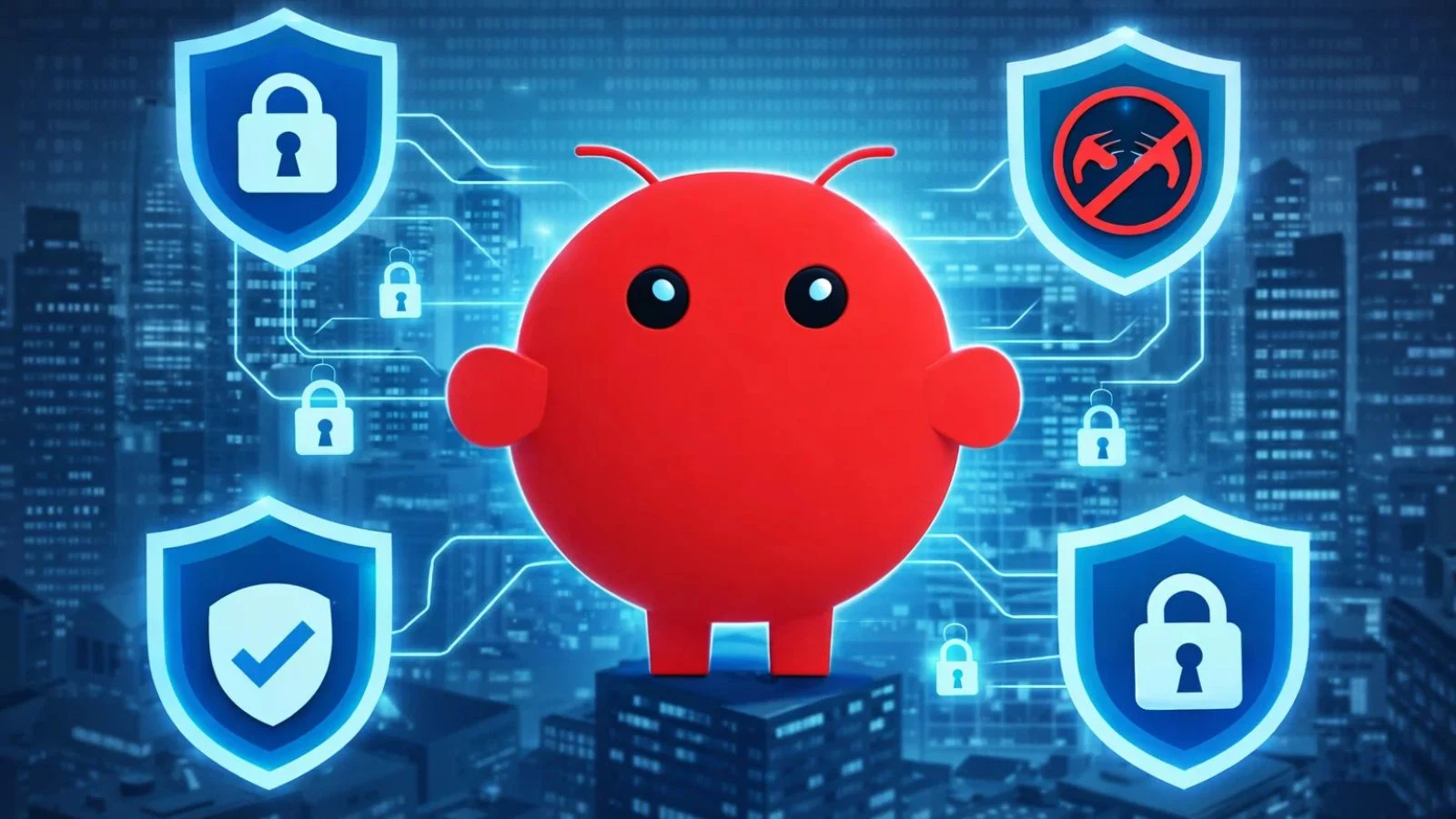
Securing OpenClaw is uniquely difficult because its value is directly tied to its level of access.
You cannot simply restrict its permissions and declare it safe. An autonomous agent that cannot read files, write to disk, execute commands, or authenticate on a user’s behalf stops being an agent. It becomes a limited chatbot.
The moment you grant the access required for real productivity gains, you introduce an entirely new risk category. Traditional endpoint security tools were not built to monitor or govern this level of autonomous system activity.
This is where the real tension begins.
Access Is the Value Proposition
Autonomous AI agents derive their usefulness from deep system integration.
They need file system visibility, application access, authentication tokens, browser control, and, in many cases, command-line execution rights.
Each of these capabilities expands the attack surface. Unlike conventional software, an AI agent can chain actions together, execute multi-step workflows, and operate continuously without direct user input.
That level of autonomy requires a different security model than most enterprises currently have in place.
Default Configurations Increased Exposure
Part of the risk stemmed from how the platform was initially configured.
Authentication was disabled by default. WebSocket connections were accepted without origin verification. Localhost was treated as implicitly trusted, which becomes dangerous when reverse proxies or developer tunnels are introduced.
Sensitive data storage added another layer of concern. Configuration files, memory logs, and chat histories stored API keys, OAuth tokens, and LLM credentials in plain text on disk.
Within weeks, infostealer malware was updated to specifically target these file paths.
Not Carelessness, But Design Context
These issues were not necessarily the result of developer negligence.
The platform was built primarily for individual developers and enthusiasts. It was not originally architected for enterprise environments where a compromise of one machine can propagate across connected systems.
The design assumptions were different from enterprise security expectations.
That gap created systemic exposure when adoption moved beyond its intended audience.
The Shadow IT Multiplier Effect
The shadow IT dimension intensified the problem.
In multiple organizations, employees deployed the agent on corporate laptops connected to corporate single sign-on, enterprise email, and internal Slack workspaces. These deployments occurred without procurement approval or formal OpenClaw security review.
IT teams often discovered usage only after initiating structured security audits.
By that time, the agent had accumulated months of access logs, stored credentials, and integration history. All of it existed without centralized oversight or governance.
At that stage, the issue was no longer just software risk. It was accumulated exposure embedded inside the enterprise environment.
Our Approach: Securing Without Limiting Capability
Our objective was not to reduce functionality. It was to preserve OpenClaw’s capabilities while making them safe for structured enterprise use.
That required layered controls across identity, network, credential management, and supply chain governance.
Authentication and Access Controls
Authentication was made mandatory by default.
No deployment inside a managed environment can run without verified corporate identity integration. Authentication is enforced at the organizational level and cannot be overridden locally.
Session management is aligned with enterprise identity providers, ensuring consistent access governance, centralized revocation, and audit visibility.
Network-Level Hardening
We removed implicit trust assumptions.
WebSocket origin validation now ensures that only explicitly allowed and trusted origins can connect to the agent gateway. Localhost traffic is no longer treated as inherently safe.
mDNS broadcast behavior was restricted, and sensitive configuration details were removed from discovery responses.
These changes directly mitigate the attack path that enabled remote code execution through local trust exploitation.
Enterprise-Grade Secrets Management
Credential handling was redesigned.
API keys, OAuth tokens, and authentication credentials are no longer written to configuration files or chat logs in plain text. Instead, credentials are retrieved dynamically from enterprise secrets management systems.
They are never persisted in a readable form and are rotated automatically based on policy.
This reduces exposure to infostealers and prevents credential leakage through file access or log inspection.
Skill Vetting and Supply Chain Governance
Given the high percentage of vulnerable public OpenClaw skills, open installation was not viable for enterprise environments.
We introduced a curated enterprise skill registry. Every skill undergoes a security review before approval. Installation from the public marketplace is disabled through policy enforcement.
This converts an uncontrolled extension ecosystem into a governed and auditable catalog.
The result is structured enablement. The tool remains powerful, but its risk surface is controlled.
Read More
OpenClaw Security Audit: Is Your AI Agent Enterprise-Ready?
OpenClaw Skills: How to Build Custom AI Capabilities in 10 Minutes
The OpenClaw Skill That Saved Me 20 Hours Per Week
Making It Enterprise Ready
Securing the underlying architecture was only the first step. Scaling deployment across large enterprises required strong governance, visibility, and compliance alignment.
Below is how we structured enterprise readiness with our expert OpenClaw services at Globussoft.
1. Centralized IT Governance
- All deployments are provisioned through a managed IT infrastructure.
- Individual employee self-installation is eliminated.
- Instances are provisioned, updated, and decommissioned using standard IT workflows.
- Security teams maintain a real-time inventory of every active deployment.
- Shadow installations are removed from the environment.
2. Role-Based Access Controls
- Permissions are assigned based on user role and business function.
- A finance deployment operates under different constraints than an engineering deployment.
- Access policies define what files, systems, and APIs each instance can interact with.
- Least-privilege principles are enforced by default.
3. Centralized Logging and Monitoring
- Every agent action is logged, including file access, command execution, and API calls.
- Logs are forwarded to centralized audit systems.
- Integration with SIEM platforms enables real-time monitoring.
- Anomalous behavior triggers alerts through existing security channels.
4. Identity and Access Integration
- Sessions are tied directly to enterprise single sign-on systems.
- Conditional access policies apply automatically.
- Access is revoked immediately when an employee offboards.
- Identity governance remains consistent with other enterprise applications.
5. Data Loss Prevention Controls
- DLP policies apply to all agent-generated outputs.
- Sensitive data cannot be exfiltrated through agent workflows.
- Monitoring standards match those applied to email and cloud storage platforms.
6. Compliance Alignment
- Architecture supports SOC 2 Type II control requirements.
- ISO 27001 data protection and access controls are addressed.
- Audit logs provide evidence for access monitoring reviews.
- Secrets management aligns with enterprise data security standards.
- Centralized deployment records satisfy asset inventory requirements.
The Outcome
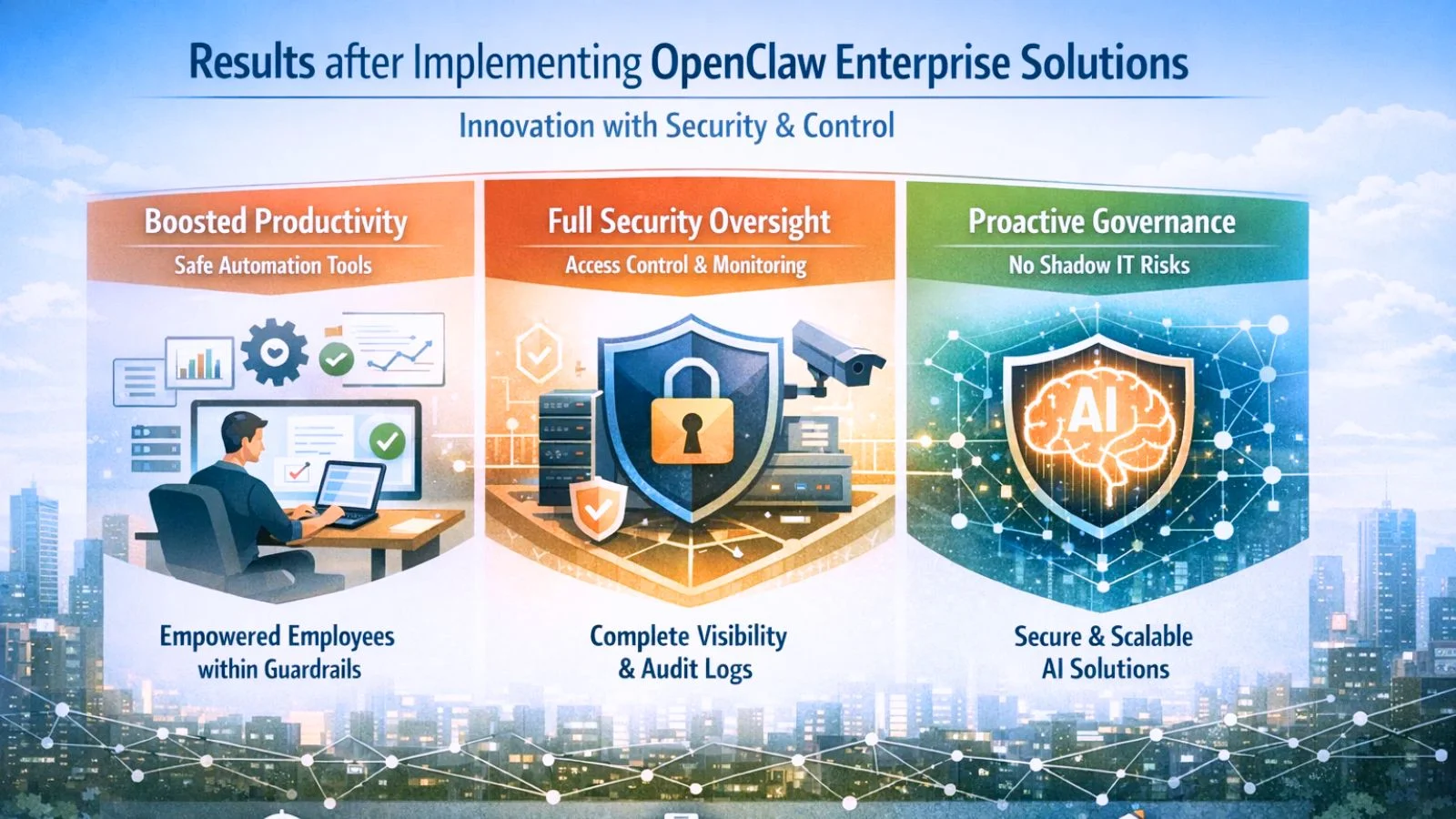
The result is a controlled, enterprise-grade deployment that balances productivity with security. At Globussoft, we enable employees to access powerful automation capabilities within clearly defined guardrails, while ensuring security teams retain full visibility, access control, and audit oversight.
Innovation continues without introducing unmanaged risk. Instead of reacting to shadow IT or hidden exposure, organizations operate with proactive governance, transforming autonomous AI into a secure, accountable, and scalable enterprise asset.
Conclusion
The rise of autonomous AI agents marks a fundamental shift in how work is executed inside large enterprises. The productivity gains are tangible. Employee demand is strong. The security risks are equally significant.
Outright prohibition is not sustainable. When organizations block high-impact tools, adoption often moves underground, removing visibility and increasing unmanaged risk.
A more defensible strategy is controlled adoption. This means implementing technical safeguards, governance frameworks, and audit infrastructure that allow enterprises to benefit from OpenClaw’s automation capabilities without accepting unmanaged exposure.
This is the model we built for Fortune 500 clients, and it reflects the standard enterprise deployments that autonomous AI agents should meet.
Frequently Asked Questions
Q1: Is it safe to deploy OpenClaw in an enterprise environment?
With proper security hardening, such as mandatory authentication, enterprise-grade secrets management, network controls, and a curated internal skill registry, deployment can be secured. The default configuration is not designed for enterprise use. Deployment must be treated as a structured security initiative, not simply a productivity rollout.
Q2: What makes AI agent security different from traditional application security?
Traditional applications operate within defined and predictable boundaries. Autonomous AI agents act dynamically based on context and instructions. This expands the attack surface and introduces action-based risk. A compromised agent can execute commands, send communications, and authenticate to external systems on behalf of users.
Q3: How do you prevent employees from installing unauthorized skills or extensions?
Policy-level enforcement disables access to public marketplaces. All skills must pass a security review within an IT-governed internal registry. Installation attempts outside approved channels are blocked and logged.
Q4: How does this integrate with existing security infrastructure?
Agent logs are forwarded to existing SIEM systems. Identity integrates with enterprise SSO and identity providers. Data loss prevention policies apply to outputs. The deployment model aligns with current security tooling rather than introducing a separate control stack.
Q5: What compliance frameworks does this approach support?
The architecture aligns with SOC 2 Type II and ISO 27001 control requirements. Audit logging, access controls, and secrets management practices support auditor expectations. Detailed compliance mapping documentation is available as part of the enterprise deployment framework.