Every year, businesses handle millions of customer queries, and most customers expect answers instantly.
Studies show that over 60% of customers prefer using chatbots for quick support rather than waiting for calls or emails.
An AI powered chatbot can respond 24/7, understand questions, and provide accurate answers in seconds. Unlike traditional chatbots that follow fixed scripts, AI chatbots learn from interactions, improving over time to offer smarter, more personalised support.
Using an AI powered chatbot is no longer just an option; it is becoming essential for businesses that want to deliver efficient and reliable customer service.
In a hurry? Listen to the blog instead!
What Is An AI Chatbot?
An AI chatbot is a computer program that can have conversations with people, just like a human support agent. Unlike basic chatbots that follow strict scripts, AI chatbots use artificial intelligence to understand the meaning behind questions and respond naturally.
They rely on AI chatbot technology like Natural Language Processing (NLP) and machine learning to read, learn, and improve from each interaction.
In simple terms, an AI chatbot does not just give pre-written answers; it understands context, remembers past conversations, and provides relevant solutions.
Businesses use AI powered chatbots to handle common customer questions, book appointments, process orders, and even guide users through troubleshooting steps.
This makes support more accurate and available 24/7, freeing human agents to focus on more complex issues.
What Is The Role Of AI In Customer Service?
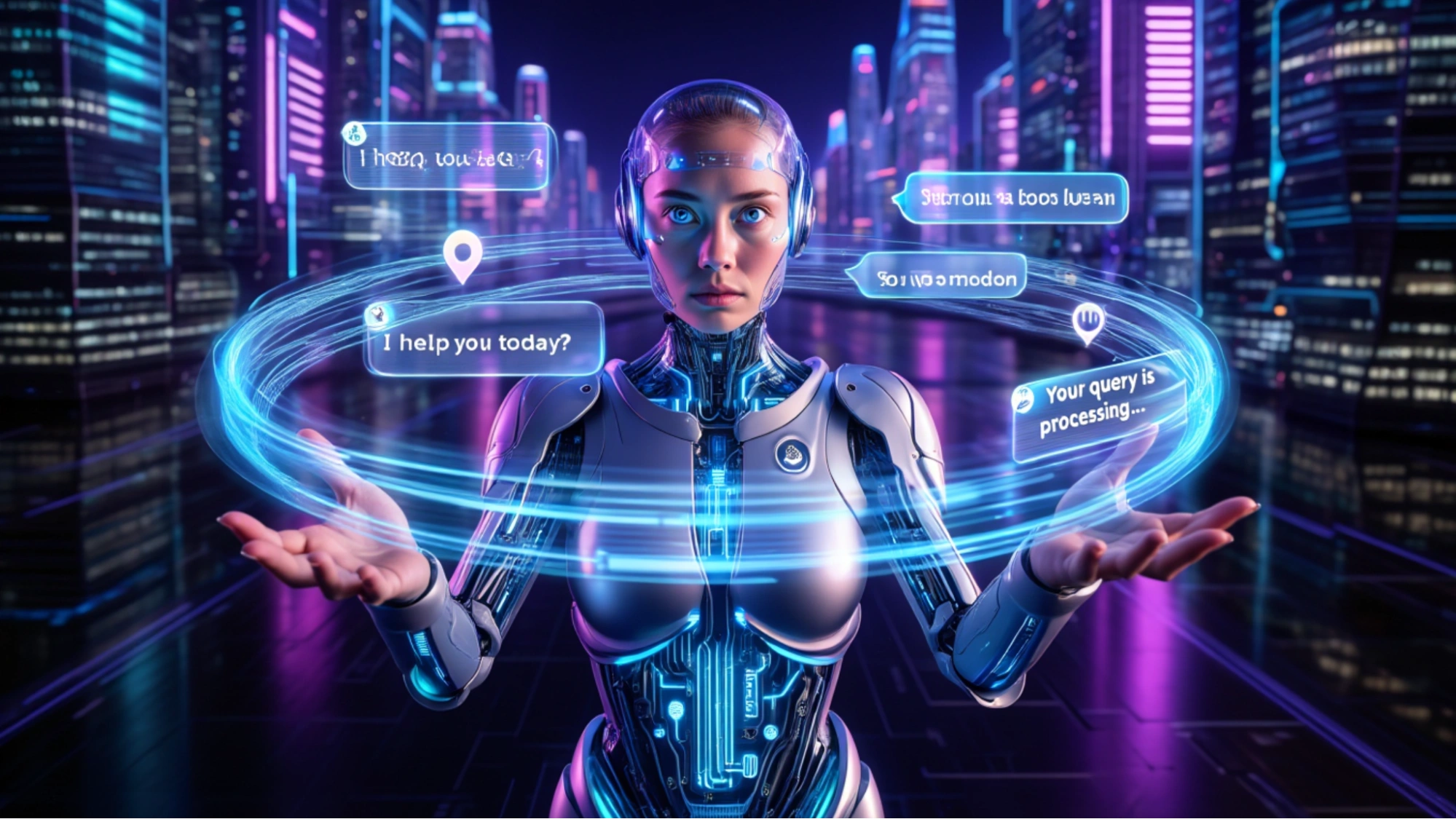
AI, or Artificial Intelligence, in customer service means using smart technology to help businesses assist their customers more efficiently.
Instead of relying only on humans, AI can understand customer questions, provide answers, and solve problems automatically.
One common example is an AI powered chatbot, which can chat with customers online, answer frequently asked questions, and even guide them through processes like placing an order or tracking a delivery.
Using AI in customer service saves time, reduces errors, and allows human agents to focus on more complicated issues.
Overall, it makes customer support faster, smarter, and available anytime a customer needs help.
6 Ways You Can Utilise AI In Customer Service
AI can help businesses provide smarter and more personalised support. Here are six practical ways to use AI in customer service:
Automated Customer Support
AI powered chatbots can answer common questions instantly, like order status, payment issues, or product details. They can handle multiple customers at the same time without delays, provide consistent answers, and operate 24/7.
This reduces wait times, lowers support costs, and allows human agents to focus on complex or sensitive customer issues that require personal attention.
Personalized Recommendations
AI can track customer behaviour, preferences, and purchase history to suggest relevant products or services. It can offer upsells, cross-sells, or promotions tailored to each user.
This not only improves customer satisfaction but also increases conversion rates and encourages repeat purchases by creating a more engaging and customised shopping experience.
Multi-Channel Support
AI chatbots can operate across websites, mobile apps, social media, messaging apps, and even email. This ensures customers receive consistent support no matter which platform they use.
Customers don’t have to repeat information across channels, and businesses can maintain a unified support experience across all touchpoints.
Ticket Routing and Escalation
AI can automatically detect urgent, high-priority, or complex queries and forward them to the appropriate human agent or department.
It can also categorise tickets, tag issues for faster resolution, and track response times. This leads to faster resolution, fewer errors, and a smoother workflow for support teams.
Feedback Collection
AI can prompt customers for feedback immediately after interactions, automatically analyse responses, and generate insights for improvement.
It can detect patterns in complaints, highlight recurring issues, and provide actionable recommendations, helping businesses continuously enhance their products, services, and support strategies.
Predictive Assistance
AI can analyse historical interactions, purchase patterns, and customer behaviour to anticipate needs or potential problems.
For example, it can alert a customer about expiring subscriptions, delayed shipments, or product updates before they ask. This proactive approach increases customer trust, prevents issues from escalating, and improves overall satisfaction.
While there are many chatbot services available, AI powered chatbots provide smarter solutions with fewer resources.
With Globussoft AI development services, you can get intelligent, customizable, and scalable chatbot solutions that automate conversations, enhance customer experience, and reduce operational costs, all tailored to your business needs.
How To Implement An AI Powered Chatbot?
Implementing an AI powered chatbot actually requires careful planning and the right approach. Here are the key steps:
Choose the Right AI Chatbot Platform
Select a platform that meets your business needs. Look for features like multi-channel support, integration with your CRM or helpdesk tools, AI learning capabilities, and analytics. The right platform ensures your chatbot can handle customer queries efficiently and grow with your business.
Integrate with Existing Support Systems
Connect the chatbot to your website, mobile app, social media channels, and support tools. Integration allows the chatbot to access customer data, track interactions, and provide accurate, personalised responses. This ensures a seamless experience for customers across all touchpoints.
Design Conversational Flows for Smooth User Experience
Plan how the chatbot will communicate with customers. Use clear, simple language and anticipate common questions. Include options for escalation to human agents when needed. Well-designed conversation flows reduce misunderstandings and keep customers engaged.
Train the AI Continuously
Feed the chatbot with data from FAQs, past customer interactions, and product information. Continuously monitor its performance and update its knowledge base to improve accuracy and response quality. Over time, the chatbot will learn to handle more complex queries effectively.
Test and Optimise
Before full deployment, test the chatbot with real users to identify errors or gaps in responses. Gather feedback and refine the conversation flows. Regularly analyse chatbot performance after launch to ensure it meets customer expectations and improves support efficiency.
Challenges To Consider
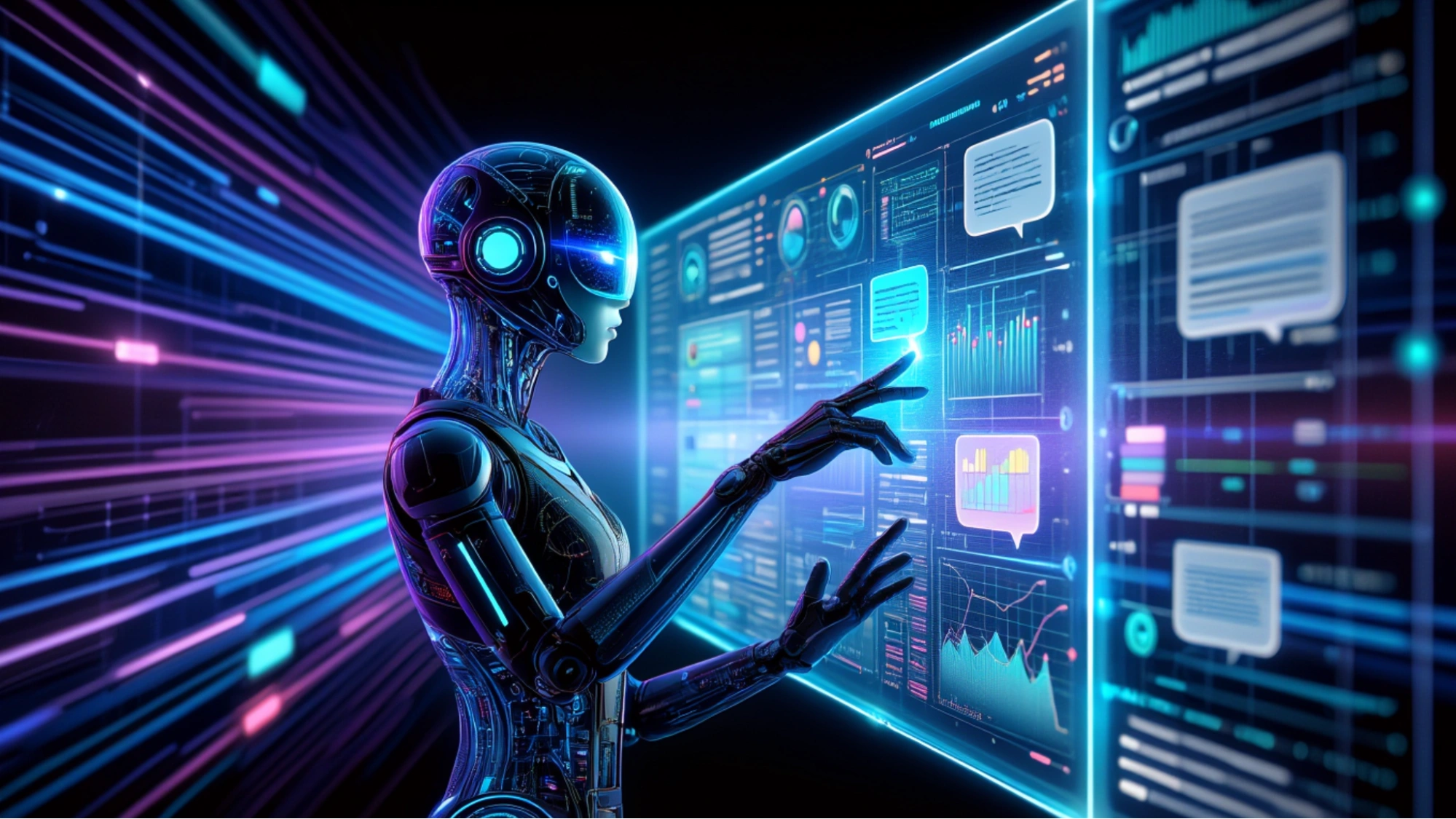
While AI-powered chatbots offer many benefits, there are several challenges businesses should keep in mind:
Handling Complex Customer Queries
AI chatbots are great for common questions, but they may struggle with complicated or unique issues. Human agents are still necessary to resolve these queries effectively. Proper escalation paths must be set up so customers get the help they need without frustration.
Balancing Automation with Human Touch
Too much automation can make interactions feel impersonal. Businesses need to strike a balance by letting chatbots handle routine tasks while ensuring humans are available for empathetic, personalised support when required.
Data Privacy and Security Concerns
AI chatbots process customer information, which makes data protection critical. Businesses must comply with privacy laws, use secure platforms, and protect sensitive customer data to maintain trust.
Although there are several chatbot options on the market, AI powered chatbots offer more effective solutions while using fewer resources.
With Globussoft AI development services, businesses gain access to advanced chatbot solutions that are intelligent, adaptable, and scalable. Built on Large Language Models (LLMs) and machine learning, these chatbots are designed to understand context, interpret intent, and respond in a way that feels natural to users.
- Our chatbot development services enable organisations to:
- Deliver seamless customer interactions with accurate and context-aware responses.
- Provide 24/7 support, improving customer satisfaction and reducing response times.
- Automate routine tasks, lowering operational costs and freeing up human resources for more strategic work.
- Continuously evolve through data-driven learning, ensuring improved performance over time.
Whether for customer support, sales engagement, or internal operations, Globussoft AI chatbots bring efficiency, reliability, and intelligence to every conversation—helping businesses stay ahead in a competitive digital landscape.
Conclusion
AI-powered chatbots are transforming the way businesses handle customer support. They provide instant responses, personalised interactions, and 24/7 assistance, all while reducing operational costs and improving efficiency. By understanding what AI in customer service means, implementing chatbots strategically, and using best practices, businesses can deliver smarter, faster, and more reliable support.
Investing in AI powered chatbots not only improves the customer experience but also allows your support team to focus on more complex tasks. With intelligent, scalable, and customizable solutions, businesses can stay competitive and meet the growing expectations of their customers.
FAQ: How To Leverage An AI-Powered Chatbot For Customer Support
Can AI-powered chatbots handle multiple languages?
Yes. Many AI chatbots can be trained to understand and respond in multiple languages, making them suitable for global customer support.
How do AI chatbots improve agent productivity?
By handling repetitive questions and simple tasks, AI chatbots free human agents to focus on complex issues that require judgment, empathy, or problem-solving skills.
Can AI chatbots integrate with other business tools?
Absolutely. AI chatbots can integrate with CRM systems, helpdesk software, email platforms, and analytics tools to provide a seamless workflow and access relevant customer data.
Do AI-powered chatbots require ongoing maintenance?
Yes. Continuous training, updates, and monitoring are necessary to ensure the chatbot remains accurate, learns from new interactions, and adapts to changing business needs.
How secure are AI chatbots?
AI chatbots can be designed with advanced security features, including encryption, user authentication, and compliance with data privacy regulations to protect sensitive customer information.