

For a long time, we believed self-hosting was the smartest way to maintain control over our AI infrastructure. It promised flexibility, cost control, and complete customization. On paper, it made perfect sense.
But as our automation needs grew, the operational reality became more complicated. Managing OpenClaw internally required more time, oversight, and technical depth than we initially anticipated.
This is the story of why we moved away from running everything in-house and what changed after switching to a managed model.
You can listen to this blog here.
The Initial Appeal of Hosting Internally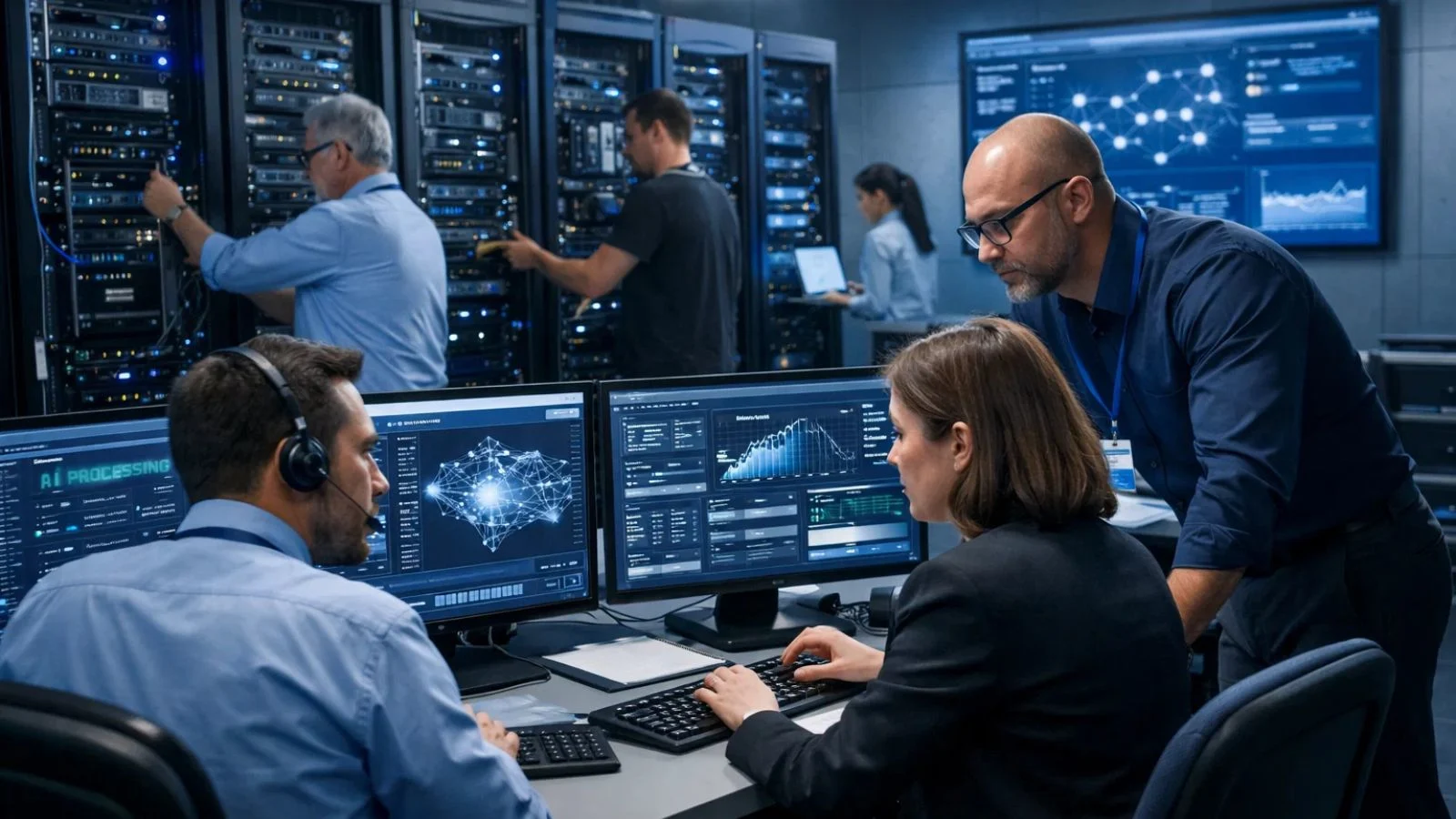
When we first deployed OpenClaw, full control was the priority. Managing our own infrastructure meant:
- Direct oversight of servers
- Internal data governance
- Custom configuration flexibility
- No reliance on external environments
We even experimented with self-hosting OpenClaw to ensure all automation stayed within our ecosystem.
At the beginning, it worked. Our team handled setup, integration, and system configuration without major obstacles.
But that was only the start.
Infrastructure: The Ongoing Responsibility
The biggest surprise wasn’t deployment; it was maintenance.
Running your own environment means taking responsibility for:
- Server uptime
- CPU and memory optimization
- Load balancing
- Database performance
- Backup management
With self-hosting, infrastructure becomes a continuous task rather than a one-time setup. Monitoring and troubleshooting slowly began consuming engineering hours.
What looked like independence started turning into operational overhead.
Security Ownership Is Not Lightweight
AI systems interact with sensitive data. When managing everything internally, security becomes your responsibility entirely.
This includes:
- Firewall configuration
- SSL certificate management
- Role-based access control
- Vulnerability patching
- Regular security audits
Choosing self-hosting meant that even small misconfigurations could introduce serious risks. Security wasn’t just a checkbox; it required ongoing attention.
Scaling Was Harder Than Expected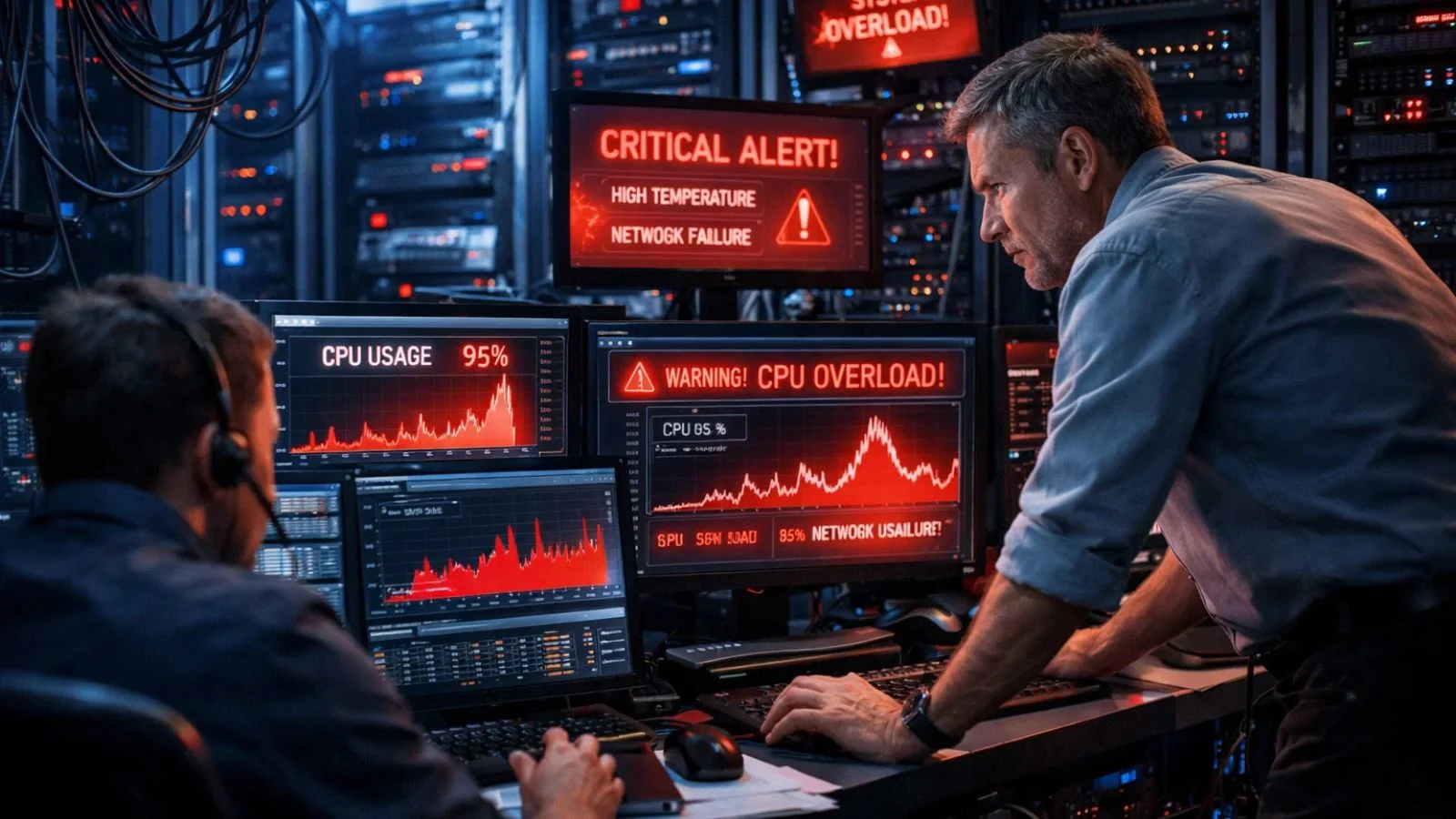
As automation expanded across departments, system demand increased.
Scaling internally required:
- Manual server upgrades
- Resource allocation adjustments
- Downtime planning
- Performance rebalancing
We realized that self-hosting OpenClaw effectively turned us into our own cloud management team. Instead of focusing on workflow improvements, we were managing infrastructure complexity.
Growth added friction rather than acceleration.
Performance Optimization Became Technical
AI systems need constant fine-tuning. As usage increased, we began noticing:
- Slower response times
- Increased latency during peak hours
- Resource bottlenecks
- Inconsistent automation behavior
With self-hosting, performance troubleshooting required deeper server-level diagnostics. The line between automation management and infrastructure engineering started to blur.
This wasn’t sustainable for a team focused on business outcomes.
The Real Cost of Managing Infrastructure Internally
At first, running our own servers appeared cost-effective. But the hidden costs gradually surfaced:
- Engineering time spent on maintenance
- Monitoring software expenses
- Security compliance efforts
- Backup storage management
- Downtime risk
When we evaluated total operational impact, the savings from self-hosting were smaller than expected.
The true expense wasn’t hardware; it was diverted focus.
Why We Transitioned to Managed Services
Eventually, we moved away from internal infrastructure control and adopted a managed setup.
The difference was immediate:
Infrastructure Oversight Shifted
Server maintenance and uptime monitoring were no longer internal burdens.
Built-In Security Framework
Encryption, access control, and compliance monitoring became standardized.
Effortless Scaling
Capacity adjustments no longer require manual configuration.
Stable Performance
Continuous optimization improved reliability and speed.
Stepping away from self-hosting allowed our team to return to innovation instead of maintenance.
When Hosting Internally Still Makes Sense
To be fair, managing your own environment isn’t always a bad decision.
It may be suitable for:
- Enterprises with dedicated DevOps teams
- Organizations with strict on-prem compliance requirements
- Businesses needing deep infrastructure customization
- Teams with advanced cloud engineering expertise
However, for growing companies without specialized infrastructure staff, the long-term responsibility can outweigh the benefits.
What We Learned
Reflecting on the journey, several lessons stood out:
- Infrastructure management is ongoing, not temporary.
- Security ownership requires constant vigilance.
- Scaling complexity grows faster than expected.
- Engineering time is more valuable than server control.
- Managed services reduce operational distraction.
While self-hosting gave us early flexibility, it introduced layers of complexity that slowed strategic progress.
Why Managed Services Create Focus
Managed environments are designed for stability and performance. Instead of dividing attention between infrastructure and automation, teams can concentrate on optimization and growth.
With expert-managed deployment:
- Monitoring runs continuously
- Security updates happen automatically
- Infrastructure scales seamlessly
- Downtime risk decreases
- Performance tuning is proactive
This shift eliminated friction and improved operational efficiency across departments.
Moving Forward with GlobussoftAI
For organizations reconsidering internal infrastructure management, GlobussoftAI provides structured AI deployment and managed service solutions.
Their approach emphasizes:
- Secure, scalable AI environments
- Performance-focused infrastructure
- Custom workflow optimization
- Ongoing monitoring and support
Rather than managing servers independently, businesses can focus on leveraging automation for measurable outcomes.
Operational Risk: What We Didn’t Anticipate
One of the biggest overlooked factors in internal infrastructure management is operational risk.
When everything runs in-house, unexpected issues can have a larger impact:
- Server crashes during peak usage
- Delayed patch updates
- Misconfigured access permissions
- Backup failures
- Performance degradation after system upgrades
Even minor technical disruptions can affect automation reliability. Over time, we realized that internal hosting increased our exposure to operational uncertainty.
Managed environments, on the other hand, are built with redundancy and structured monitoring in place, reducing risk before it becomes a business problem.
The Impact on Team Productivity
Another major shift we noticed was how infrastructure management affected team focus.
Engineering time gradually shifted from:
- Improving automation workflows
- Building smarter integrations
- Optimizing AI-driven processes
To:
- Debugging performance issues
- Reviewing logs
- Managing server resources
- Handling security updates
With self-hosting, productivity became fragmented. Instead of innovation driving growth, maintenance began driving daily priorities.
After moving to managed services, internal teams regained clarity and could focus entirely on automation improvements rather than backend troubleshooting.
Strategic Focus vs Technical Control
There’s an important difference between control and strategy.
Running infrastructure internally provides technical authority but it doesn’t automatically provide strategic advantage.
We eventually asked ourselves:
- Are we in the business of managing servers?
- Or are we in the business of improving automation outcomes?
The answer reshaped our approach.
When infrastructure management started competing with innovation for attention, it became clear that control was costing us focus.
Managed services shifted our energy toward growth, optimization, and long-term automation planning.
Also read,
How to Use OpenClaw: Complete Tutorial for Beginners [2026 Guide]
Final Thoughts
Choosing between internal control and managed infrastructure is a strategic decision.
While self-hosting offers autonomy, it also introduces responsibility, hidden costs, and long-term complexity. For us, the operational burden eventually outweighed the control benefits.
Shifting to managed services restored focus, improved stability, and allowed our team to prioritize automation strategy over backend troubleshooting.
If your organization is spending more time maintaining infrastructure than improving workflows, it may be time to rethink the approach.
FAQs
1. What is self-hosting in the context of OpenClaw?
Self-hosting refers to deploying and managing OpenClaw on your own servers or cloud infrastructure instead of using a managed service provider. This means your team is responsible for setup, security, performance optimization, and scaling.
2. Is self-hosting OpenClaw more cost-effective than managed services?
It may appear cheaper initially, but long-term costs can increase due to engineering time, infrastructure upgrades, monitoring tools, security management, and downtime risks. Managed services often reduce hidden operational expenses.
3. Who should consider self-hosting OpenClaw?
Organizations with dedicated DevOps teams, strict on-premise compliance requirements, or advanced cloud infrastructure expertise may benefit from self-hosting OpenClaw. However, it requires ongoing technical commitment.
4. What are the biggest challenges of managing infrastructure internally?
The most common challenges include server maintenance, performance tuning, security updates, scalability planning, and continuous monitoring. These responsibilities can divert focus from business growth initiatives.