Deploying AI across 500 employees isn’t just a software upgrade; it’s an organisational transformation.
When we began exploring enterprise-grade AI, our priority wasn’t hype or experimentation. We needed a secure, scalable system that could support multiple departments, integrate with existing workflows, and deliver measurable productivity gains. This wasn’t about giving teams a new tool. It was about building a structured AI infrastructure.
That’s why we chose OpenClaw Enterprise.
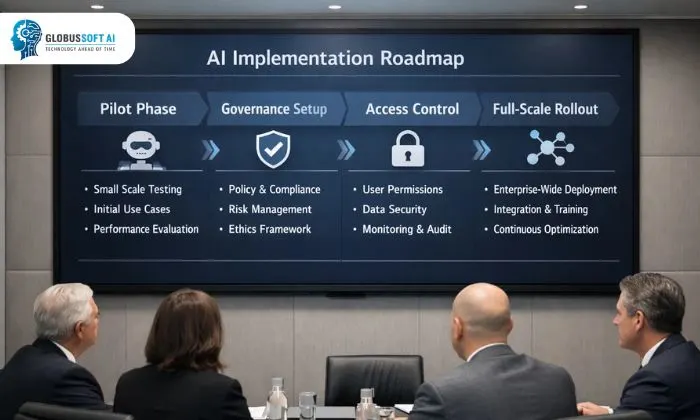
Rather than rolling it out all at once, we designed a phased deployment strategy focused on governance, access control, and performance tracking. From pilot testing to full-scale implementation, every step was planned to ensure stability and long-term adoption.
You can listen to this blog here.
Why We Needed an Enterprise AI Framework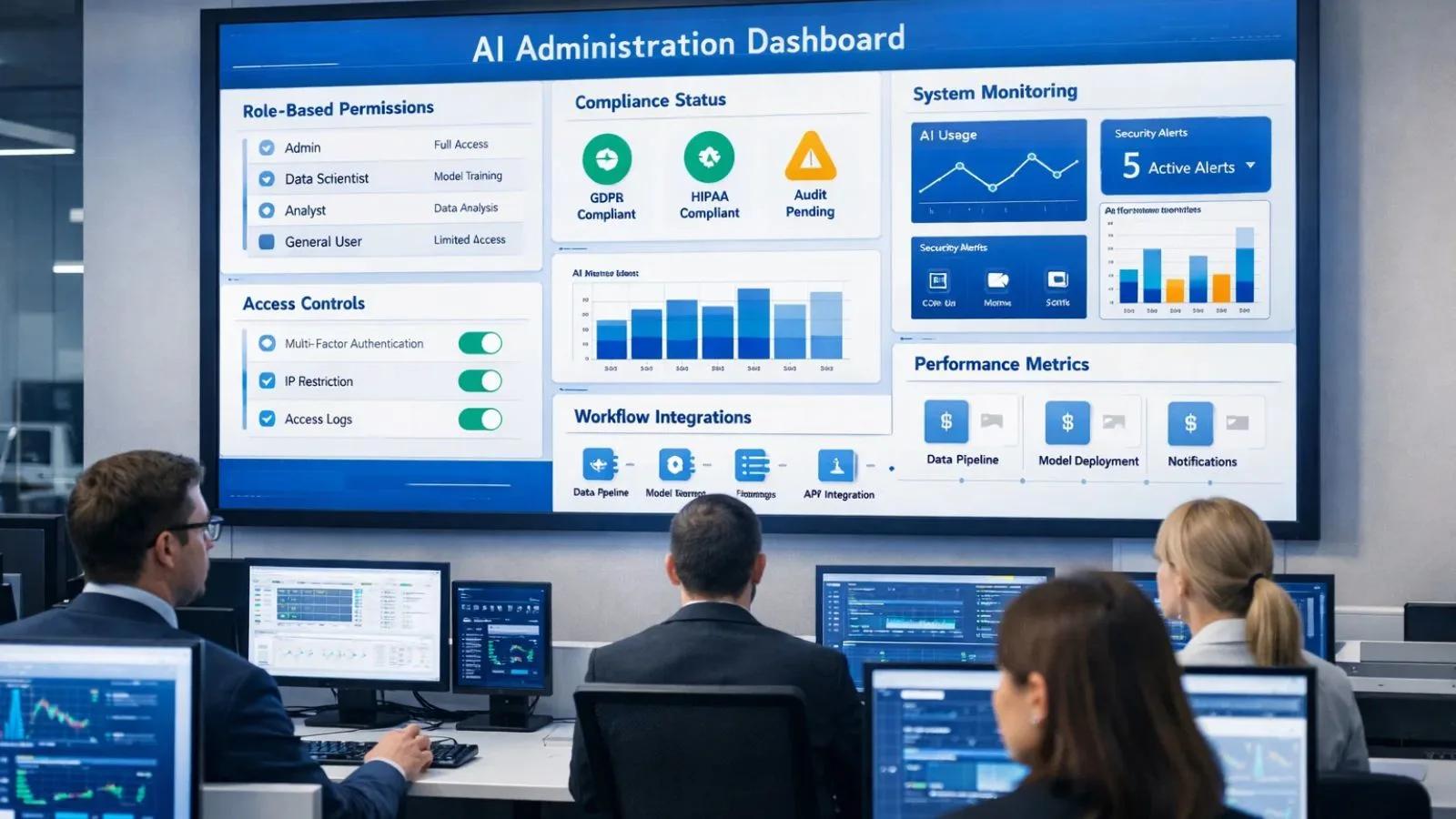
Before adoption, teams were already experimenting with AI tools individually. The problem? No structure, no policies, and no integration roadmap.
We needed:
- Centralized administration
- Role-based permissions
- Secure data handling
- Workflow integration
- Clear ROI tracking
The enterprise version offered the control layer missing from basic AI tools. More importantly, it supported the structured implementation of OpenClaw for corporate environments where compliance and visibility matter.
Phase 1: Pilot Rollout (50 Employees)
We started small.
Instead of onboarding all 500 employees, we selected 50 users from:
- Marketing
- HR
- Operations
- Customer support
This allowed us to test OpenClaw for enterprise use cases such as:
- Document generation
- Reporting automation
- Knowledge base assistance
- Internal communication drafting
The pilot phase lasted 30 days. The goal wasn’t speed; it was stability.
Early Results
- Faster documentation workflows
- Reduced repetitive writing tasks
- Improved consistency in internal reporting
However, we quickly realized governance policies were essential before scaling further.
Phase 2: Governance & Infrastructure Setup
Enterprise deployment requires structure.
We implemented:
- Role-based access control
- Usage tracking dashboards
- API restrictions
- Data sensitivity filters
- Department-level permissions
Instead of giving everyone full access, we mapped permissions based on job function. This made OpenClaw for corporate operations both controlled and scalable.
Security alignment included integration with:
- CRM systems
- HR platforms
- Internal documentation tools
- Project management software
At this stage, the system transitioned from being a productivity tool to becoming an operational infrastructure.
Phase 3: Building an Internal OpenClaw Setup Guide
To prevent confusion during expansion, we created a standardized OpenClaw setup guide for department leaders.
This document covered:
- Approved use cases
- Data handling rules
- Prompt guidelines
- Escalation processes
- Integration best practices
Rather than training 500 employees individually, we trained 30 department heads. They became internal champions responsible for onboarding their teams.
This decentralized model accelerated adoption while maintaining consistency.
Phase 4: Scaling to 500 Employees
Once policies and infrastructure were stable, we expanded access gradually over 60 days.
Scaling required:
- Weekly adoption tracking
- Feedback loops
- Usage audits
- Continuous optimization
By the end of the rollout, the AI framework was embedded into daily workflows across departments.
The transition from pilot to full-scale OpenClaw Enterprise deployment was smoother than expected because governance had been prioritized early.
Challenges We Faced
No enterprise rollout is frictionless. Here’s what we encountered:
1. Overuse Without Strategy
Some teams initially relied on AI for every task.
Solution:
Clear usage boundaries and defined AI-eligible processes.
2. Data Sensitivity Concerns
Enterprise teams handle confidential information.
We addressed this by:
- Restricting certain prompt categories
- Enabling logging visibility
- Conducting compliance reviews
This made leadership comfortable with OpenClaw for enterprise-scale deployment.
3. Change Resistance
Some managers worried automation would reduce oversight.
Instead, reporting visibility improved. Managers gained clearer productivity metrics and faster documentation review cycles.
Measurable Results After 90 Days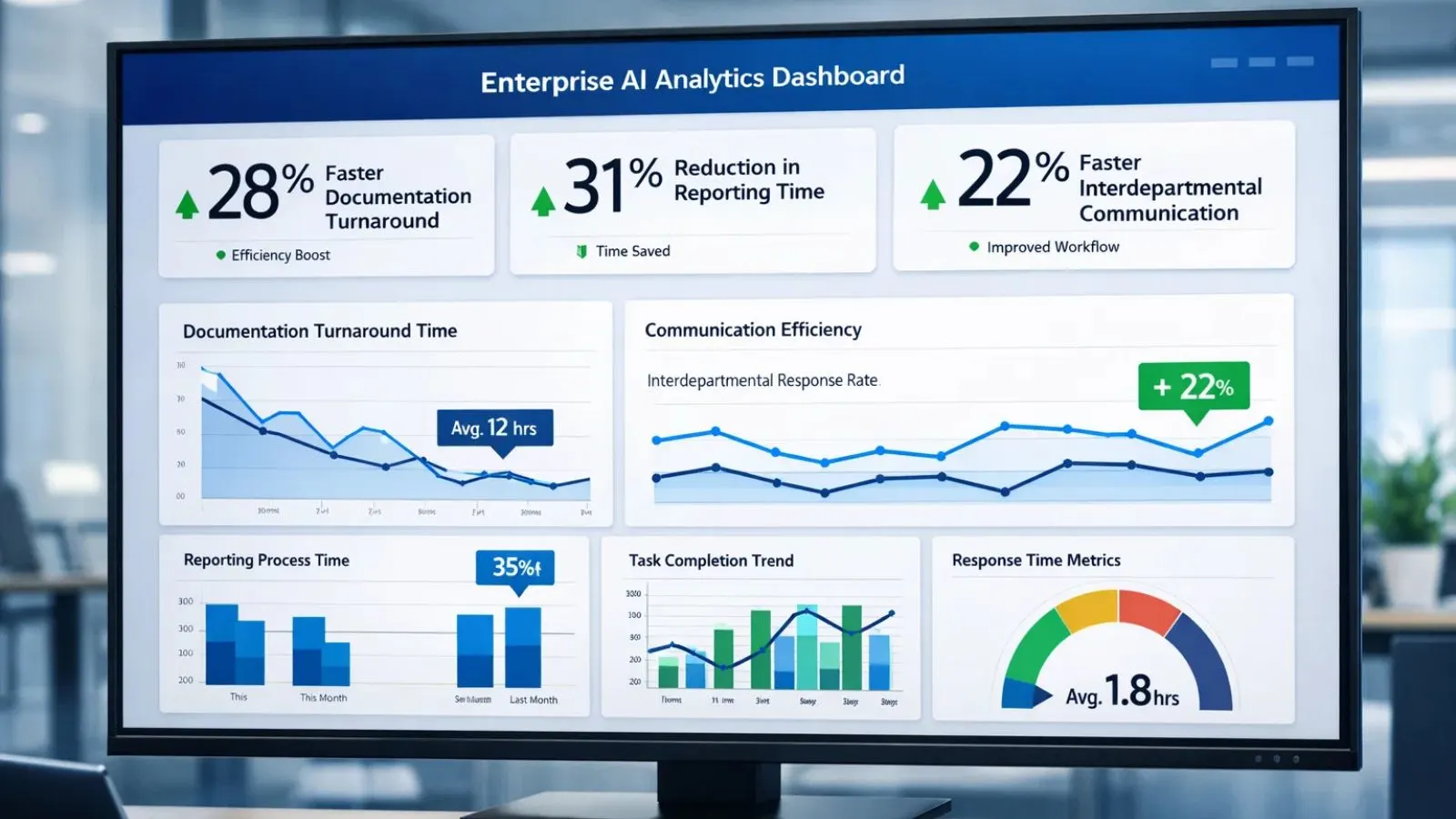
After full deployment, we tracked performance indicators:
- 28% faster internal documentation turnaround
- 31% reduction in repetitive reporting time
- 22% faster interdepartmental communication
- Improved content consistency across teams
The biggest win? Standardization.
With the structured implementation of OpenClaw for corporate operations, output quality became predictable and scalable.
Why Implementation Support Matters
Rolling out enterprise AI requires more than activation licenses.
That’s where Globussoft.ai played a crucial role.
They supported us with:
- Deployment planning
- Integration mapping
- Governance framework design
- Workflow customization
- Team onboarding sessions
Without structured guidance, scaling AI across 500 employees would have taken significantly longer.
If you’re planning enterprise-level AI adoption, execution support can reduce risk and accelerate ROI.
Key Lessons from Deploying at Scale
Here’s what we learned:
- Start small and validate workflows.
- Define governance before expansion.
- Train leaders instead of mass onboarding.
- Maintain a documented OpenClaw setup guide.
- Track measurable outcomes from day one.
Enterprise AI is not about experimentation. It’s about operational design.
Should Your Organization Consider It?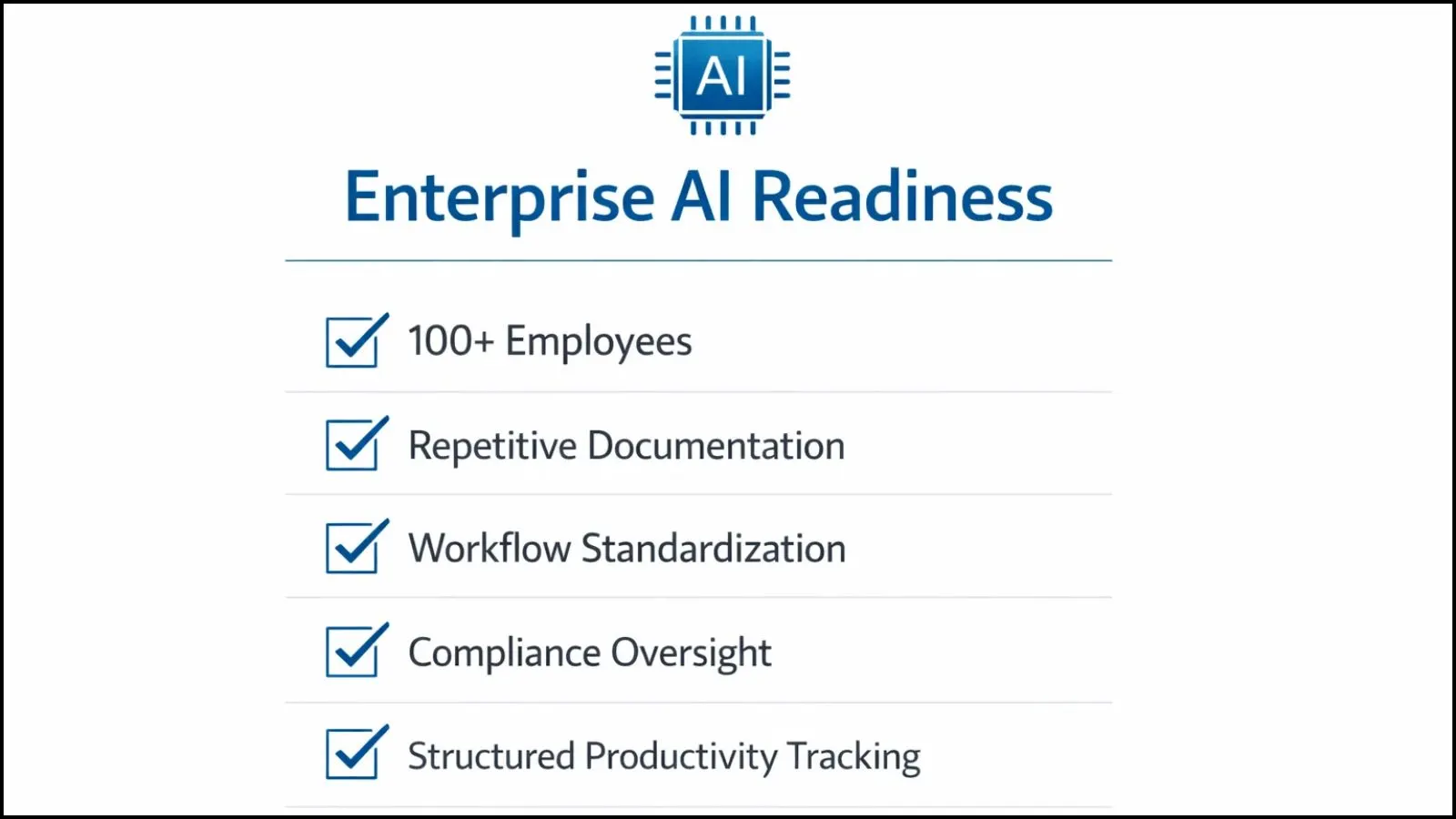
You should evaluate enterprise AI deployment if:
- You manage 100+ employees
- Teams handle repetitive documentation
- You need workflow standardization
- Compliance and oversight are priorities
- Productivity tracking lacks structure
A controlled rollout ensures technology strengthens operations rather than complicating them.
How We Measured ROI Across Departments
Enterprise AI deployment only makes sense if results are measurable. From the beginning, we defined clear performance benchmarks.
We tracked:
- Time saved per repetitive task
- Documentation turnaround time
- Manager review cycles
- Cross-team communication delays
- Employee adoption rates
Each department submitted weekly usage summaries during the first 60 days. This helped us identify high-impact workflows and eliminate unnecessary AI usage.
For example:
- HR reduced policy drafting time by 40%
- Marketing accelerated campaign brief creation
- Operations improved SOP documentation consistency
By tying usage metrics to performance KPIs, leadership gained confidence in the long-term value of OpenClaw for enterprise implementation.
The key takeaway? AI without measurement is guesswork. AI with structured tracking becomes a strategy.
Building Long-Term Adoption & Optimization
Initial deployment is only the beginning. Long-term success depends on optimization.
After full rollout, we introduced:
- Monthly usage audits
- Prompt optimization workshops
- Department-level AI feedback sessions
- Updated internal OpenClaw setup guide documentation
This continuous refinement process prevented stagnation.
We also created an internal AI governance committee responsible for:
- Reviewing new use cases
- Approving advanced integrations
- Monitoring compliance risks
- Identifying automation expansion opportunities
With this framework, the system evolved from a productivity enhancer into a strategic operational layer.
Instead of simply using OpenClaw Enterprise, teams began designing workflows around it, making adoption sustainable rather than temporary.
Also Read,
How OpenClaw AI Integration Helps Businesses Earn $10K+ in 7 Hours?
How an OpenClaw AI Agent Can Automate Workflows from a $5 Server?
Final Thoughts
Deploying AI across 500 employees required strategy, patience, and governance.
By focusing on structure instead of speed, we turned what could have been a chaotic rollout into a scalable operational upgrade. With the right framework and expert support from Globussoft.ai, enterprise AI implementation becomes manageable, measurable, and sustainable.
If you’re considering scaling AI across your organization, start with governance, not just tools.
FAQ’s
1. How long does enterprise AI deployment typically take?
The timeline depends on company size, technical complexity, and governance requirements. For organizations with 500+ employees, a phased rollout usually takes 60–120 days, including pilot testing, infrastructure setup, compliance reviews, and department-level onboarding. Rushing deployment often creates adoption gaps and security risks, so structured implementation is critical.
2. What technical prerequisites are needed before deploying enterprise AI?
Before implementation, organizations should ensure:
-
Secure cloud or on-premise infrastructure
-
Defined data governance policies
-
API-ready systems for CRM, HR, and project tools
-
Identity and access management (IAM) framework
-
Compliance alignment (GDPR, SOC 2, HIPAA if applicable)
Without these foundations, scaling AI can introduce operational and regulatory risks.
3. How do you prevent AI-generated output from reducing quality or brand consistency?
Enterprise teams maintain quality control by:
-
Creating standardized prompt templates
-
Establishing approval workflows for sensitive outputs
-
Using department-specific guidelines
-
Conducting periodic content audits
-
Training managers to review AI-assisted work
AI should enhance consistency, not replace oversight. Structured review systems ensure output remains aligned with company standards and brand voice.